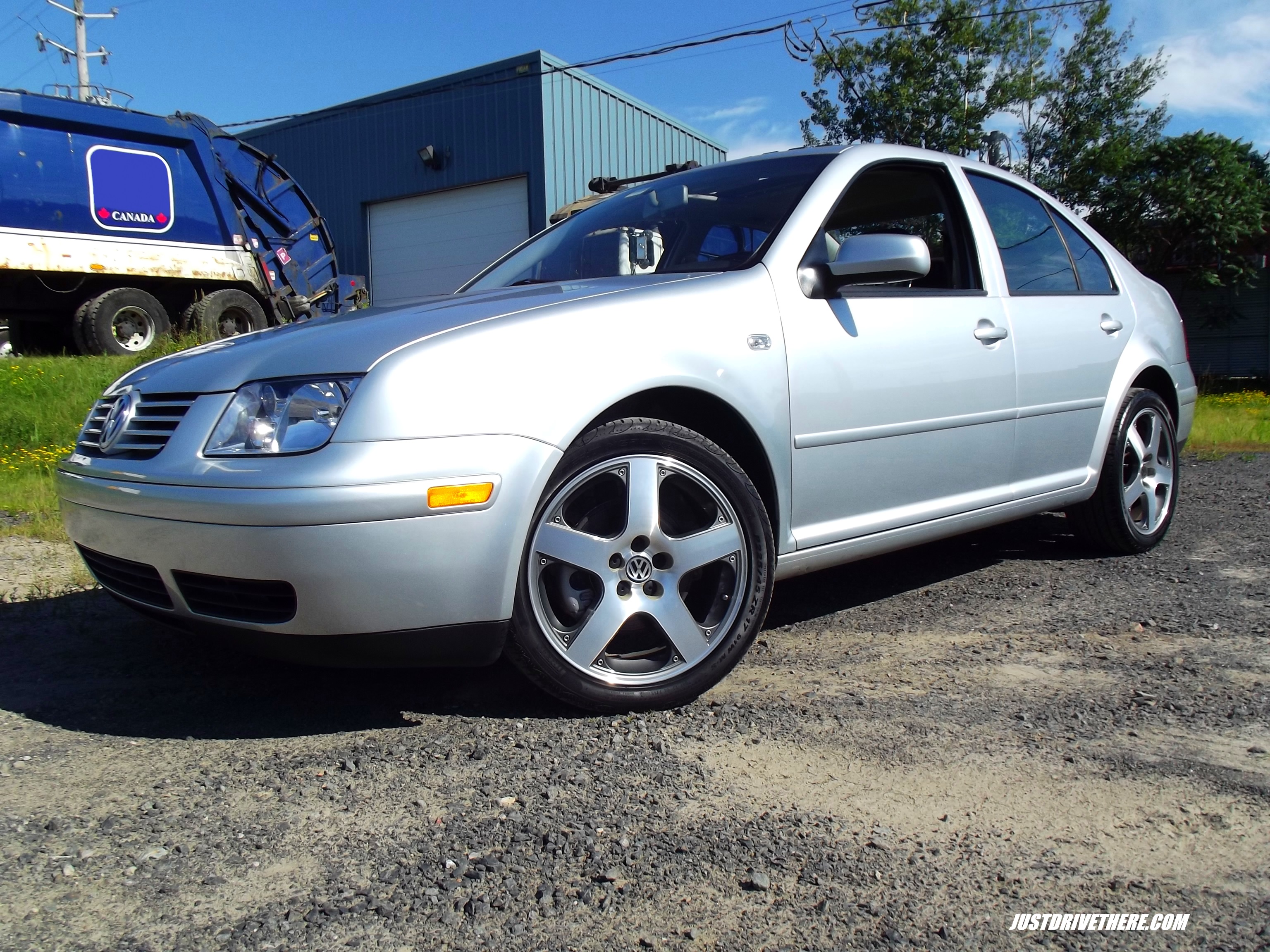
The ideal sleeper? 2003 Volkswagen Jetta/Bora VR6 GLI

2003 VW Jetta VR6 GLI

2003 VW Jetta VR6 GLI

You may get the idea, from reading this blog, that I am sponsored by Volkswagen. Let me assure you, as much as I would love that, it is not the case. One of the reasons I like that brand, is basically because my first car was a Volkswagen. But that is not the only reason. Not only do good people often drive Volkswagens, but also, the company comes along with some of the most uncommon cars you can imagine. It is Volkswagen after all that brought out the Phaeton, the ultimate unknown luxury car, designed to go against the likes of Bentleys and S-Classes.  But before that, they also wanted to go for more accessible targets, such as the BMW 3-Series. They had the car for that segment, the Passat, but for some unknown reason, they wanted the entire range covered, so the mild-mannered Jetta (or Bora in Europe) found itself pitched against one of the most classic cars ever as well.

To do this, Volkswagen needed a six-cylinder engine to provide power and comfort. They had that, in the form of the Verkürzt Reihenmotor Sechs, or VR6 for short. Contrarily to what the name would suggest, the VR6 is not a complete V6 engine, but in fact a straight six with a slight angle of 15 degrees between the cylinders, a straight V6 if you will. The same concept was used in the past in the Lancia Fulvia and its V4 engine. The benefit of this configuration is that it is very compact, meaning you can put a 6 cylinder engine in a Golf. The same idea was further developed for the W range of engines higher up the scale, culminating with the W16 found in the Bugatti Veyron. This VR6 engine first appeared in the third generation Golf, under its eponymous label. It was also the engine that powered the Mk4 Golf R32, albeit in a 3.2 litre form. In the Jetta, this VR6 engine, in a 2.8 litre variant, developed 200bhp, with 264Nm of torque. Does not look like much today, but back in 2003, that was more than enough! In 2003, the VR6 in the Mk4 Jetta was slightly modified compared to previous years, with 24 valves instead of 12, which provided the car with a boost of 25bhp and a more rev-happy character. 2003 also saw the appearance of the GLI range, replacing the GLS.

The particular Jetta VR6 I got to drive was the GLI version. When it was new (and from 2003 onwards), the Mk4 Jetta had two VR6 variants, GLI and GLX, to go against the BMW 3-Series. GLX was the luxury version, available only in automatic, and leather trim, whereas GLI was the more performance-oriented version, with a basic functional interior and available only in manual (how times change!). If you enjoy driving, this was the version for you.

2003 VW Jetta VR6 GLI

2003 VW Jetta VR6 GLI

People like to criticize Volkswagens for the blandness of their design. But they are not always bland; you just have to pay attention. Take the Jetta GLI, for example. I like to think that when they were designing it back in the 90s, the Volkswagen engineers had the perfect sleeper car in mind. When you look at it, the GLI looks like any other Jetta. To be frank, it is not the most exciting of designs, but it does age well. Look a little closer however and you will notice the subtle details, such as the racing exhaust, those beautiful 17 inch wheels, and those semi-bucket seats, with a decent amount of bolstering. Get inside, and you will notice that the speedometer that goes up to 260km/h, and the 6,500rpm rev-limiter. The devil really is in the detail in this car. If you opened the bonnet, and gave the engine a quick glance, you would be forgiven for thinking that it is just a measly 1.8 litre four cylinder engine given the big plastic cover. Only once you turn the key, do you realize that you are not in an ordinary Jetta.

The sound coming from that sports exhaust is that of a great six-cylinder. To the ear, it is very similar to the legendary BMW straight-six, and only slightly falls in comparison to the legendary Alfa Romeo Arese V6. As you go higher in the revs, the sound just gets sweeter until it becomes a controlled howl. When you start driving the car, you do not get the sensation that you are driving a Golf-derived product. The steering is perfectly weighted, the gearbox is precise and changes gear in short shifts and overall the ride is firm, but comfortable enough. At normal speeds, the suspension absorbs bumps nicely, a good change from the usual “sports suspension”. That VR6 engine is one of the smoothest I have ever driven. Foot down in 5th gear at 2,000rpm, and the car just goes, no questions asked.

2003 VW Jetta VR6 GLI engine

2003 VW Jetta VR6 GLI engine

This is thanks to the ample torque the engine produces. On the highway, the car just munches the kilometers with ease and is an overtaking machine. I used to think that my old Golf was a cross-country tourer, but this is just in another league. The cabin is all function over form, very Germanic and useful. It is also well equipped, having heated seats, all electric windows, a sunroof and air-conditioning. However, this car being assembled in Mexico, I could not help but feel that with time, it would not hold together as well as its German twin brother. To put that in context, the car I drove may be only 10 years old (with 189,000 kilometres), but the windscreen was leaking and on that day, the handbrake would not work….

As a highway machine, the Jetta GLI is perfect, however, when you start to push the car on the twisty bits, you realize that performance driving is not exactly what it was meant to do.

2003 VW Jetta VR6 GLI interior

2003 VW Jetta VR6 GLI interior

In the corners the car tends to roll quite a bit, and the front axle does not feel as precise at speed (even if the car I drove had an aftermarket anti-roll bar fitted in the front). There is a big tendency to understeer a lot, due in part to the big engine up front, and overall, you just get the feeling that this is one heavy car (at 1.4 tons, it is). The downside of being a great cross-country tourer I guess. This is one of the reasons why the Jetta VR6 could not compete against the legendary BMW 3-Series. You see, when you push the BMW, it reacts positively, obeying the driver and not feeling lost at all. In the Jetta, you keep getting the impression that this is not what it is meant to do. Part of this, to me, is due to the fact that it is a front-wheel drive car (the Jetta VR6 in North America was a purely front-wheel drive, as opposed to the European Bora V6 4motion, which was four-wheel drive), compared to the proper rear-wheel drive in the BMW. The other reason the Jetta fell short, back in the day was, well, it’s a Jetta, and the BMW is, well, a 3-Series…

Overall, the Jetta GLI VR6 is a great car. Comfortable, quick enough, beautiful engine and reliable. It is also the perfect sleeper car, as it looks just like a Jetta, but has the numbers to rival a 3-Series. However, don’t expect to have that much fun if you take it out on the track…. The reason I would consider buying this car though is that engine. You have to drive a VW VR6 at least once in your life!

A big thank you to Hubert for the chance to drive this legendary machine!

Want to work on your Jetta? Nothing beats a Haynes manual. Get it on Amazon: VW Jetta, Rabbit, GTI & Golf: 2006 Thru 2011 – Includes 2005 New Jetta


Posted in Car reviews | Tagged , , , , , , , , , , | 18 Comments

The Cars of the 2013 Canadian Grand Prix

So, after my round-up of the actual race, it makes sense now for you to see how the streets of Montreal are like during that one weekend.

Put it simply (and with the exception of the big street parties), there are cars, lots of them, and very nice ones indeed, parked or driving around. With F1 comes money, and with money comes some very pretty automobiles. Mercedes-Benz, Porsche and Chrysler also had some of their latest metal on display in the city. A rather dubious “1,600bhp” Bugatti Veyron was also showcased, with Quebec license plates. Apparently, it is the only modified Veyron in existence, and was done here in Montreal by a shop called Custom Rides. Anyway, Montreal during the Grand Prix Weekend is definitely worth the detour (though not by driving, the street are gridlocked). The culture definitely revolves around cars, and the owners are more than willing to join in the fun and make everyone around them smile.

Here’s a little gallery of what I found on the main streets. Apologies for the bad quality in some cases, the combination of night and rain tends to end in bad pictures.

Posted in Philosophy of driving | Tagged , , , , , , , , , , , , , , , | Leave a comment

2013 Canada Grand Prix!

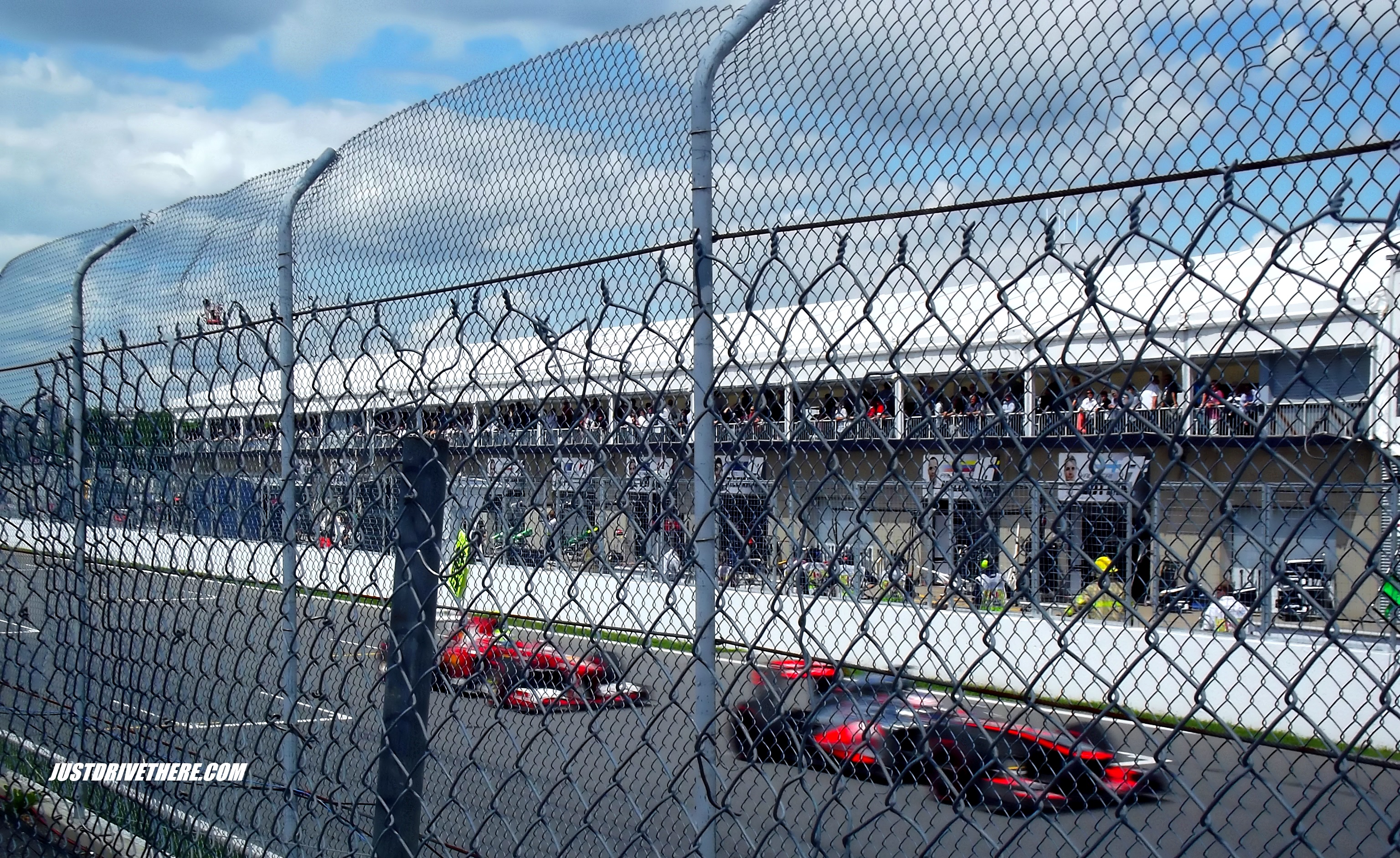
Sunday Race, main straight

Sunday Race, main straight

As regular readers of my blog will know, at the moment I am enjoying life in Montreal. And in June, in Montreal, what better to do than to go follow the Formula 1 Grand Prix that took place from the 7th till the 9th on the Circuit Gilles Villeneuve?

Being of a difficult nature (and a student), simply getting an entrance ticket was not enough for me. So I decided to volunteer in order to get an inside feel of what a Grand Prix is like.

I volunteered on Saturday and Sunday, two very different days indeed!

Even if the main show is the Formula 1 race, which, counting qualifications, will last a maximum of 4 hours, it is not the whole story! You see, when Formula 1 weekend is here, the Formula 1 cars are not the only ones on the track. This year, there were also the IMSA Porsche GT3 cup, the Ferrari Challenge, Formula 1600 and the Canadian Touring Car Championship taking place as well.

Turn 8 on Saturday, it's wet!

Turn 8 on Saturday, it’s wet!

Needless to say, it was one very noisy weekend! Saturday, as you may know, featured mainly qualification races, which was a good thing, given it rained all day, hence all the crashes you may have seen on TV. That said, I was fortunate enough to be on the spectator bridge before turn 8, so I did have a nice view, and experienced for the first time the sheer noise of those V8 engines live!

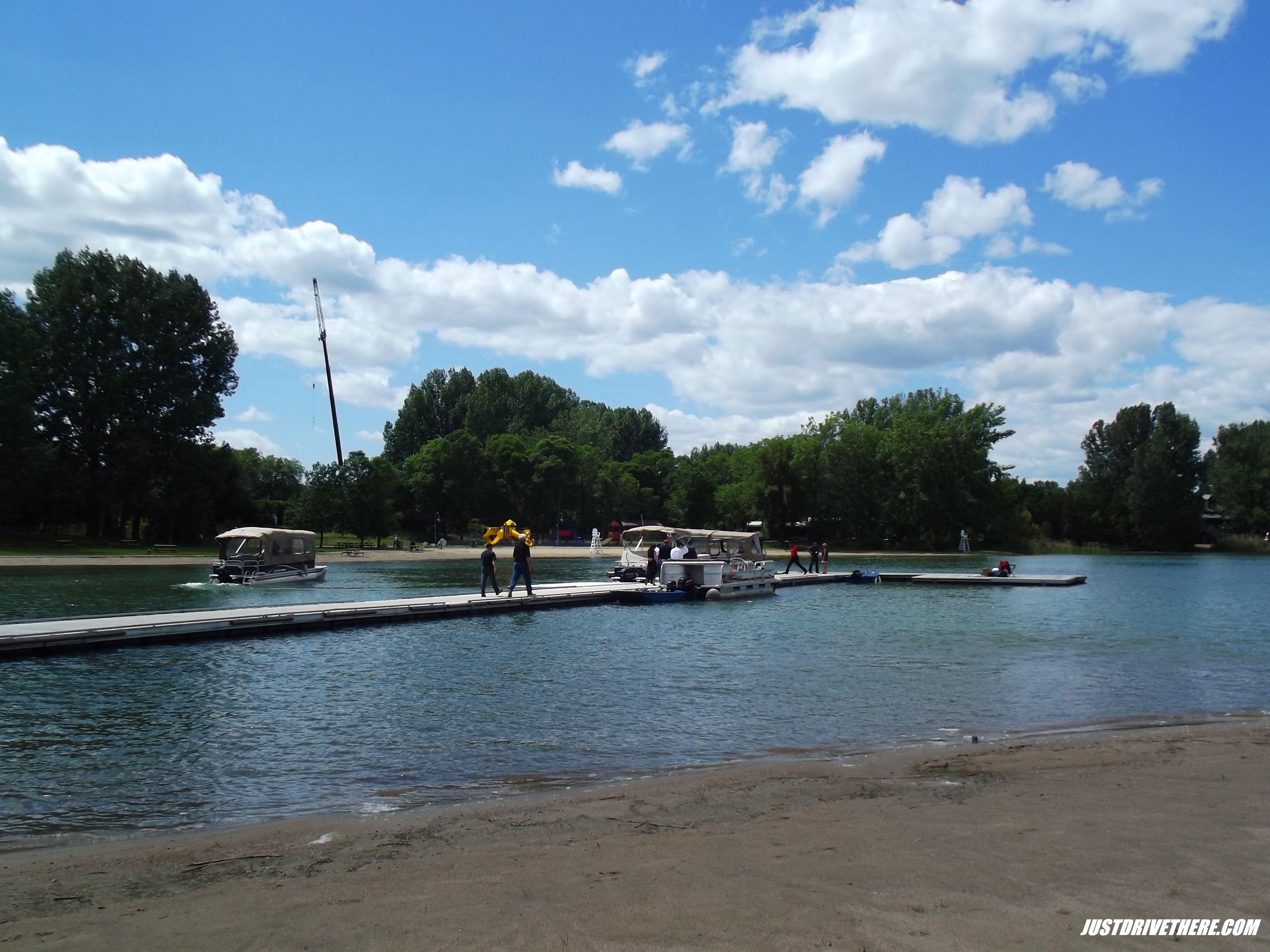
Even though I was wet and tired, I did enjoy Saturday. Needless to say, I was completely taken aback by Sunday. First of all, I was lucky to have changed position, and got a more inside look at the race. I started off the morning by overseeing the CTCC cars driving by the lake to get to the track. This also allowed me to see the track the way spectators would not see it, which is completely empty! Then, I was whisked along the lake in one of the Casino’s VIP private boats to help out at the VIP lounges. From there, I had a decent view of turns 1 and 2 of the track, allowing me to see the entire race.

Those VIP boats

Those VIP boats

Before the actual Formula 1 race, the other races took place, but then it was time for the main event. After the driver parade, the national anthem, and an overpass by two CF-18 jets from the Royal Canadian Air Force, the race began. Those moments before the race are ones to be preserved; the anticipation of everyone, the tension and the air, being literally filled with excitement.

From that point on, the only sound to be heard was the roaring engines, everyone else went silent. Partly due to the fact that it was impossible to communicate apart through gestures, but mostly due to how thrilling the race was. It is an interesting feeling, you want to talk, but just can’t, everyone goes quiet and listens. Yes, I will admit it, I rarely watch Formula 1 on TV, but to see it live, what an experience! Moreover, being in one of the VIP lounges, the cars were literally zooming a couple of feet from me, just before braking for the first bend. It was pure awesome.

In the end, after 2 hours of racing, as you may know, Sebastian Vettel won, but overall, it was an exciting race, especially the Alonso/Hamilton duel. It must be noted though, that it was a fairly tragic ending, one of the track marshals having died at the track, moments after the race, being run over by the crane carrying Esteban Gutierrez’s Sauber crashed car off the track.

During the weekend, Montreal is overtaken by parties and many, many beautiful cars. You will want to see this, so bare with me! (sorry for the lack of detail, but as I said, I was volunteering, so could not really cover everything!)

Posted in News | Tagged , , , , , , , , | 1 Comment

Buying an old car: Is conventional wisdom wrong?

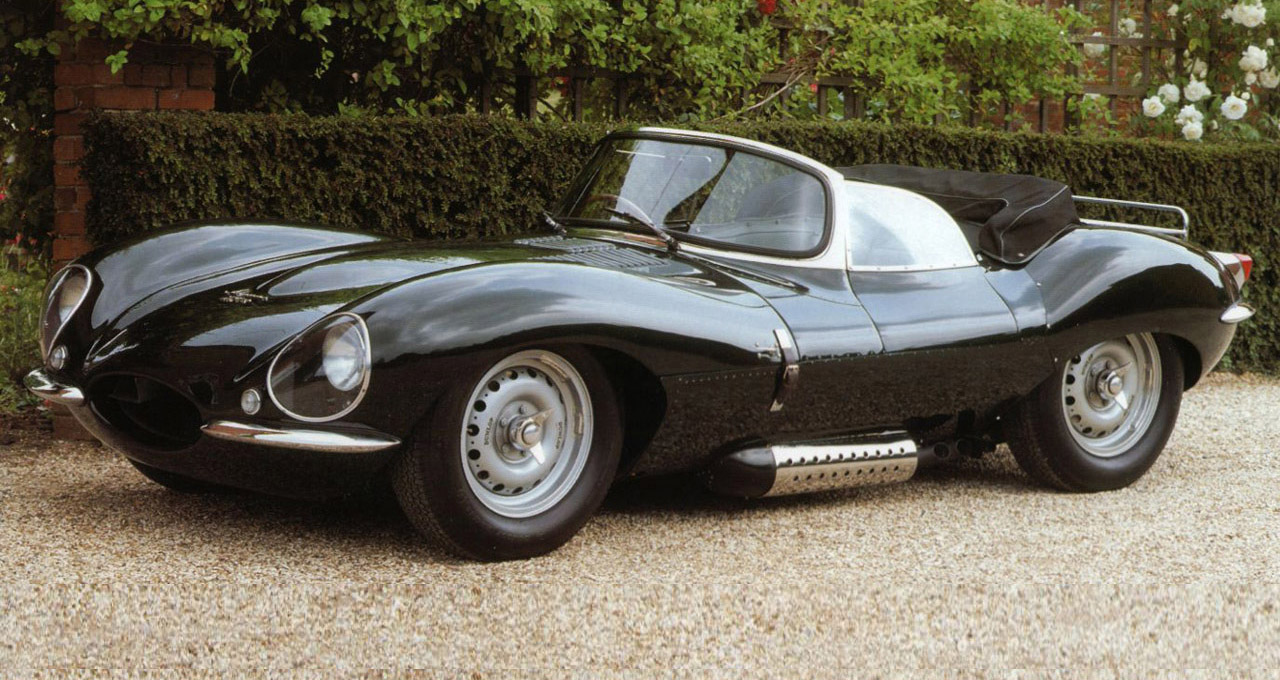
1957 Jaguar XKSS

1957 Jaguar XKSS

Admit it, you have often thought about it. As modern cars become more and more perfect, and in the process boring, older classic cars tend to become more appealing. Yes you are less comfortable, going less quickly and more prone to breaking down, but the nostalgia that comes along with it is priceless. However, one big problem with buying a classic older car is depreciation. But is it always the case?

Here’s an example: My old Mk2 Golf GTI. I bought it for 1,500€ in 2009. Three years and 30,000kms later, I sold it for exactly 1,500€. Now, the more experienced accountants amongst you will mention that I actually lost money, due to inflation, and the more experienced person in general will also mention the absurd repair costs that went in the car. (and to answer your question, objectively, yes I was a loser).

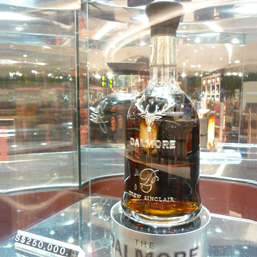
Dalmore 62yo

Dalmore 62yo

However, old cars do offer a slice of nostalgia. Also, with the financial crisis, people are less willing to trust the banking  and stock market systems with their money, or for that matter investing in real-estate, given the impact of the sub-prime crisis. As a result, more and more investors are turning to more unusual forms of investments. For example, just 10 years ago, paying a 100,000 dollars for a bottle of whisky would have just been the wildest dream of some naïve distillery manager. However, in the past few years, special editions of single malts have approached, and in some cases surpassed that legendary 100,000 dollar mark (in some cases going for over a million). Dalmore comes to mind a lot.

The same thing is happening for cars. Last year, in August, at the Monterey Motor Week, a record of 260 MILLION dollars in total sales was reached. That’s right, a bunch of people bought over a quarter of a billion in cars. The Barrett-Jackson auction this year also recorded record numbers. It was rumoured that, combined, the line of credit of all the buyers was worth over a billion dollars. Here you have people, who would have the power to buy a country, simply buying cars. Are they taking into account depreciation? Repair costs? Insurance?

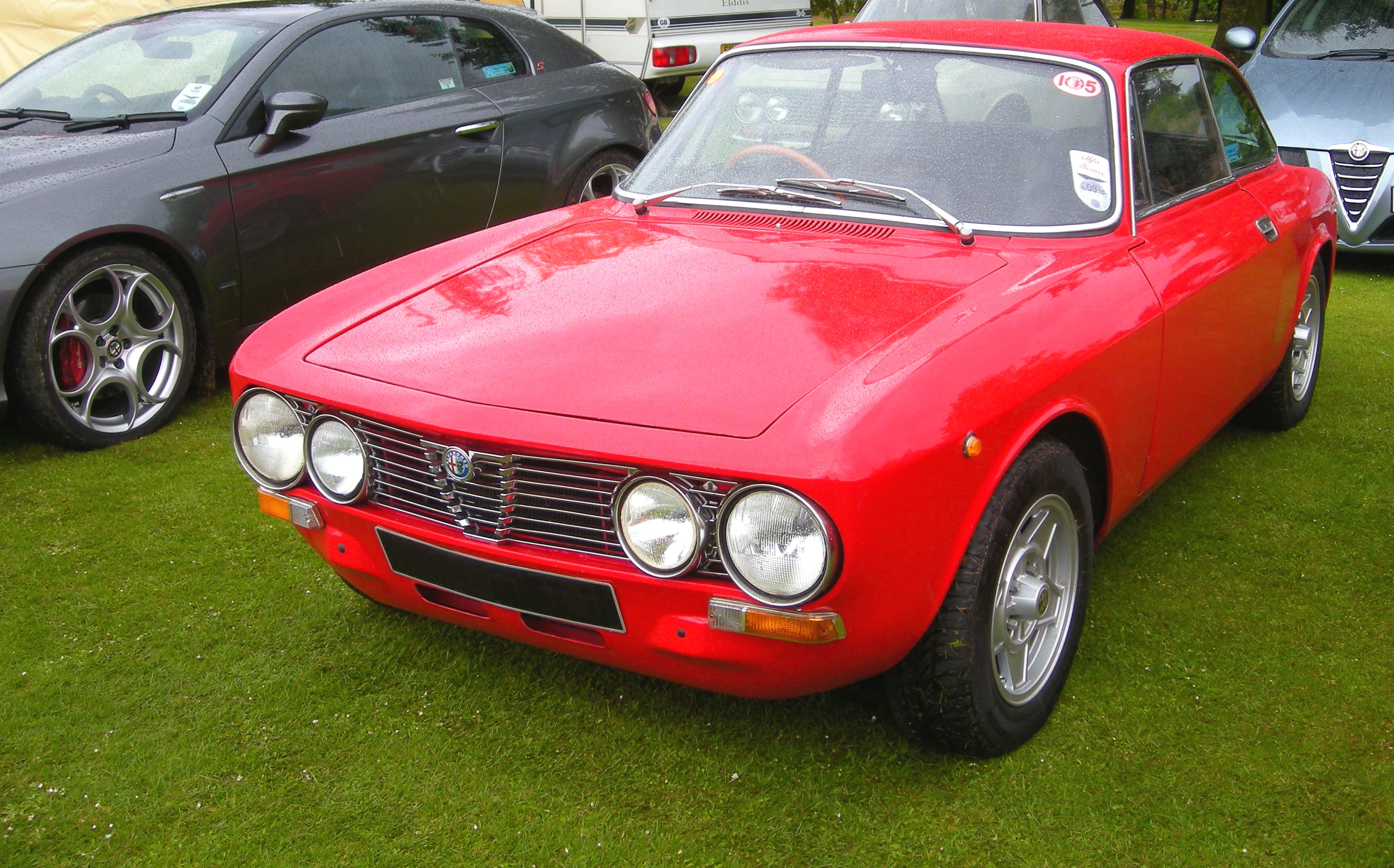
Alfa Roméo 2000 GTV

Alfa Roméo 2000 GTV

Let me put it to you this way, these people did not get their money by investing in Betamax that is for sure.

So why buy cars then? Bear with me, as I try to explain:
Usually, when investing, people look for liquid assets, that is assets that can be converted quickly into cash. Before, real-estate was a great example, there was always a need for land or housing (if in the right area), and you could easily make a big profit on it, as demand was always increasing. However, with the sub-prime crisis, this changed. What happened, to put it simply, is that more and more people would buy real-estate, with money they did not actually have. They used debt to finance these extreme purchases. After a while, they could not repay the debt, and lost the house. This happened on a massive scale and caused a bubble collapse. People realized that the only reason prices were going up, was due to an artificial mechanism, and then, they stopped investing, causing an excess of supply, and thus a fall in prices. And that is not the complete picture!

So banks were hit, investors were hit, it was bad. Currencies also were no longer a safe bet, look at the Euro… Moreover, given the financial crisis, people did not want to invest in the banking system as much, therefore they turned their interest to “safer” assets: collectible items. As a result, collector single malt prices flew through the roof, art prices grew exponentially and classic cars were no exception.

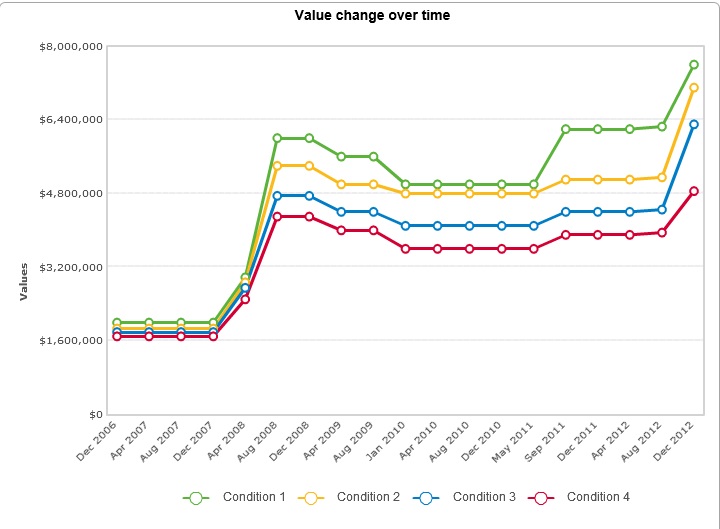
1957 Jaguar XKSS value evolution

1957 Jaguar XKSS value evolution

As a matter of fact, in some cases, these cars can be considered as art. They are often very rare examples, and have huge historic value. In some cases, you could actually buy a car, insure it, use it, crash it, repair it and sell it off still for a big profit. Think of Rowan Atkinson’s Mclaren F1. After his crash, if he sold the car, he would still make a profit.
Look at this graph for example. It is one of my all time favourite cars, the Jaguar XKSS. Notice how the exact moment the financial crisis begins the value shoots up? (The differing conditions represent the average condition the car is from show-room perfect to sort of beater).

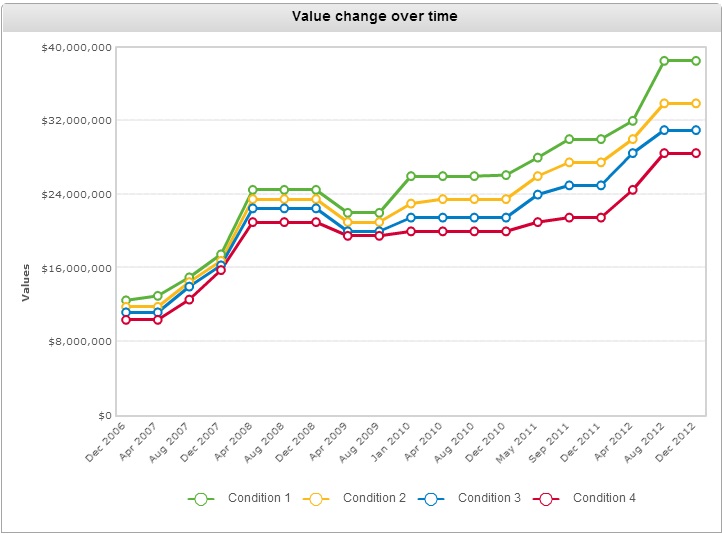
1962 Ferrari 250 GTO

1962 Ferrari 250 GTO

What about this one? The classic Ferrari 250 GTO.

And it is not just crazy expensive cars either, look at this 1988 BMW M3 (below).

1988 BMW M3

1988 BMW M3

If the car has historic value, then it will be a sure investment, regardless of the actual numbers produced. Example? Someone spent 10,000€ for a burnt out Citroen 2CV, simply because it was the last one ever produced in 1998.

But, just like any other investment opportunity, the word to go by is caution. Just because a car is pre-1980s, it does not mean it will make you rich. Many factors need to be considered: Desirability, rarity, historical value, previous ownership… It does not even need to be old, for example, the E46 BMW M3 CSL, that came out in 2004 has never lost any value. You could have bought one new, drive off and sell it the next day for a profit. The first New Minis were also the case, given the long waiting list for one. Many sites are dedicated to this so I will not delve more into this. Though I will say this: at the moment one of the main opportunities for smaller investments, in Europe, is in the “Youngtimer” cars. These are small sporty cars from the 1970s-1980s that are becoming accessible to the people from the generation that grew up worshiping them. Think Mk1 Golf GTIs, Peugeot 205 GTIs or Renault 5 Gordinis. More info can be found here (in French, but it is worth it).

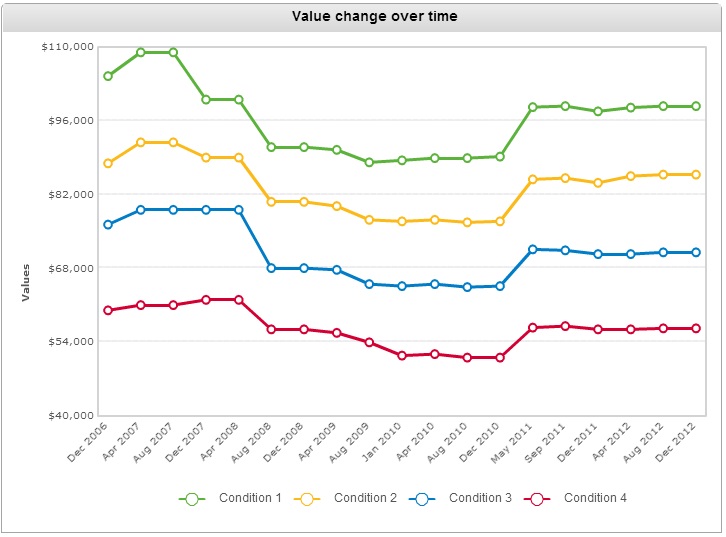
1967 Dodge Charger

1967 Dodge Charger

Finally, another word of caution. Just like any investment, the risk of a bubble collapse is big. This happened in the late 2000s with muscle cars (look at this graph for a 1967 Dodge Charger).

Why can this happen? Loss of confidence in the market, people start to get cold feet, and once again supply becomes greater than demand, pushing prices down. Causes for this would be easy, for example, a renewed confidence in the banking and stock market systems and its quick profit opportunities.

So in the end, just like any other investment, there is risk associated, however, depending on the car, buying an old car is not a crazy idea, it can even be profitable!

(all value data graphs copied from Hagerty.com)

Posted in Auto Industry | Tagged , , , , , , , , , , , , , , , | Leave a comment

I’m back!

First of all, a big apology for the prolonged period of emptyness that engulfed my blog. The combination of lots of work and lack of a car made it hard to write amusing articles on car ownership or the joys of driving.
However, work being more bearable now (still no car yet, but working on it, trust me), I can now spend more time doing what I love, that is writing about cars.

So over the next few weeks, expect the following articles:
-Cars as a form of investment, is conventional wisdom wrong?
-A rebuttal to all the current marketing efforts by automobile manufacturers aiming to get millenials interested in cars.
-Are modern cars becoming more obsolete?
-More pictures as the sun is out and the sports cars aplenty
-Hybrids and hypercars, is it a good thing?
and much more!

Thank you all for sticking around, and to make amends, here is the short movie, Desire, by Jaguar, showcasing one of the best cars on sale today, the F-Type. Enjoy!

Posted in News | Tagged , , , , , , , , , | 1 Comment