Los Angeles Auto show wrap up.

The end of the year is approaching and the cold weather and snow is covering a good deal of North America. Therefore, all the automotive journalists are going to LA for better weather and the Auto Show. (not me unfortunately)

So what if you are heading over there, what is worth seeing?

Mercedes
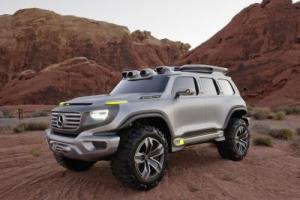
g-force conceptG-Force: I like hydrogen cars. I also like the old G-wagen. Combine the two in order to update the classic and you get the G-Force concept. Mercedes is proposing a concept to showcase what the G-Wagen of the future could look like. Personally, I think it looks great. It has that menacing look you need for a good off-roader and seems capable enough. What I love most is the fact that it is hydrogen powered. They say there are reservoirs on the roof that capture rainwater in order to transform it into hydrogen power. This makes the G-Force a sustainable SUV, which is even cooler as it will confuse the environmentalists. The system probably only works in the designer’s head, but if they even come close to developing it, I would personally applaud them.
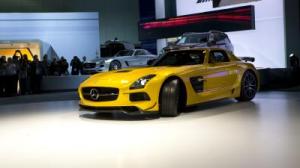
SLS SMG BlackseriesSLS AMG Blackseries: By now we all know what the SLS Blackseries looks like. We also know it produces 622 bhp and is lighter than the standard SLS. But it is such a good car, here it is again, in yellow. That body kit is still too much though.


Jaguar
Jaguar XFR-SXFR-S: The M5 is a good car, but everyone wants one, making it the obvious choice. If you had a bit of style, you would go for the Jaguar XFR, however it seems to be lacking in the power department. This is where the XFR-S (or XF-RS, not sure) comes in. The V8 is now producing 550bhp, allowing the 0-60mph time to drop to 4.4 seconds. The chassis is updated and a more free-flowing exhaust is added for a much better sound. I’m not too sure on the body-kit though, that rear wing really does not go with the car’s overall grace.
Jaguar F-TypeF-Type V8S: I think we can all agree that the Jaguar F-Type is one beautiful car. Seriously, it is stunning. But what if you add a 5.0 litre V8 in it? After all, any car is just better with a V8. Well, you get the F-Type V8S. Power is up from 380 hp in the standard S to 495 in the V8S. Nothing else to say, apart that I want one badly!


Porsche
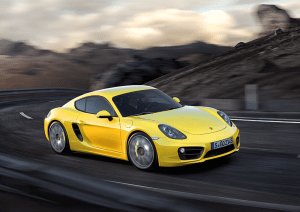
Porsche CaymanCayman 981: After revealing the updated Boxster last year, it was now time for Porsche to show us what the new Cayman would look like. They did this in LA, and for a non-Porsche fan, I have to admit that I really like the new Cayman. The curves are now more pronounced giving it a sportier look, with updated front and rear ends. I particularly like how the rear tail-lights include part of the spoiler. The front is also a little more angular making it feel more modern in a weird way. Power is up also, with 275 hp for the standard Cayman and 325 for the S.


Volvo
Polestar S60: A fast Volvo? That is a bit of an oxymoron (except for the actually pretty good V70R). However, when the C30 Polestar was shown, everyone instantly wanted one. High costs meant that it never came out in production form. After that, Volvo showcased the Polestar S60, with a 508 bhp turbocharged inline six, and we instantly wanted that even more. Volvo seems to have listened, but there is a catch. First off, the car they showed us is for sale, but for $2 million. The second bad part of news is that you can only get your standard S60 updated with a 25 bhp boost to it, which is still far from the car we all want. Come on Volvo, just build it already!

Hyundai
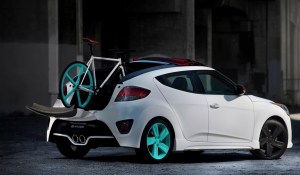
Veloster C3Veloster C3: Hyundai make good cars and the Veloster is one of them. But what if it had a convertible roof and a tailgate? The result would be the Veloster C3 concept. The convertible system is similar to the Fiat 500C and Citroen DS3’s ones, meaning it is not a full system, more of a way to have an open ceiling. I can see this being a hit in hip cities.

Ford
Ford Fiesta STFiesta ST: The US version of the little warm hatch-back was presented in LA. Similar to the European version, but with a simpler dashboard and 200bhp (the European version is rumoured to only be at 180bhp for some strange reason). In North America it will only be available as a 5 door, with a manual 6 speed transmission. It would be interesting to compare the North American and European versions to see how Ford’s ‘One World, one Ford’ strategy is going. Watch this space.

BMW
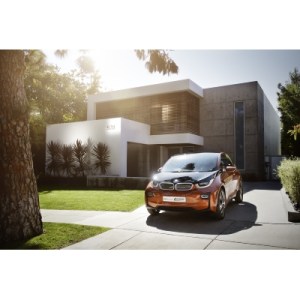
BMW i3 CoupeI3 coupe: Finally, in order to meet with emissions standards for automotive articles, here is the BMW i3 Coupe.
Posted in News | Tagged , , , , , , , , , , , , , , , , | Leave a comment

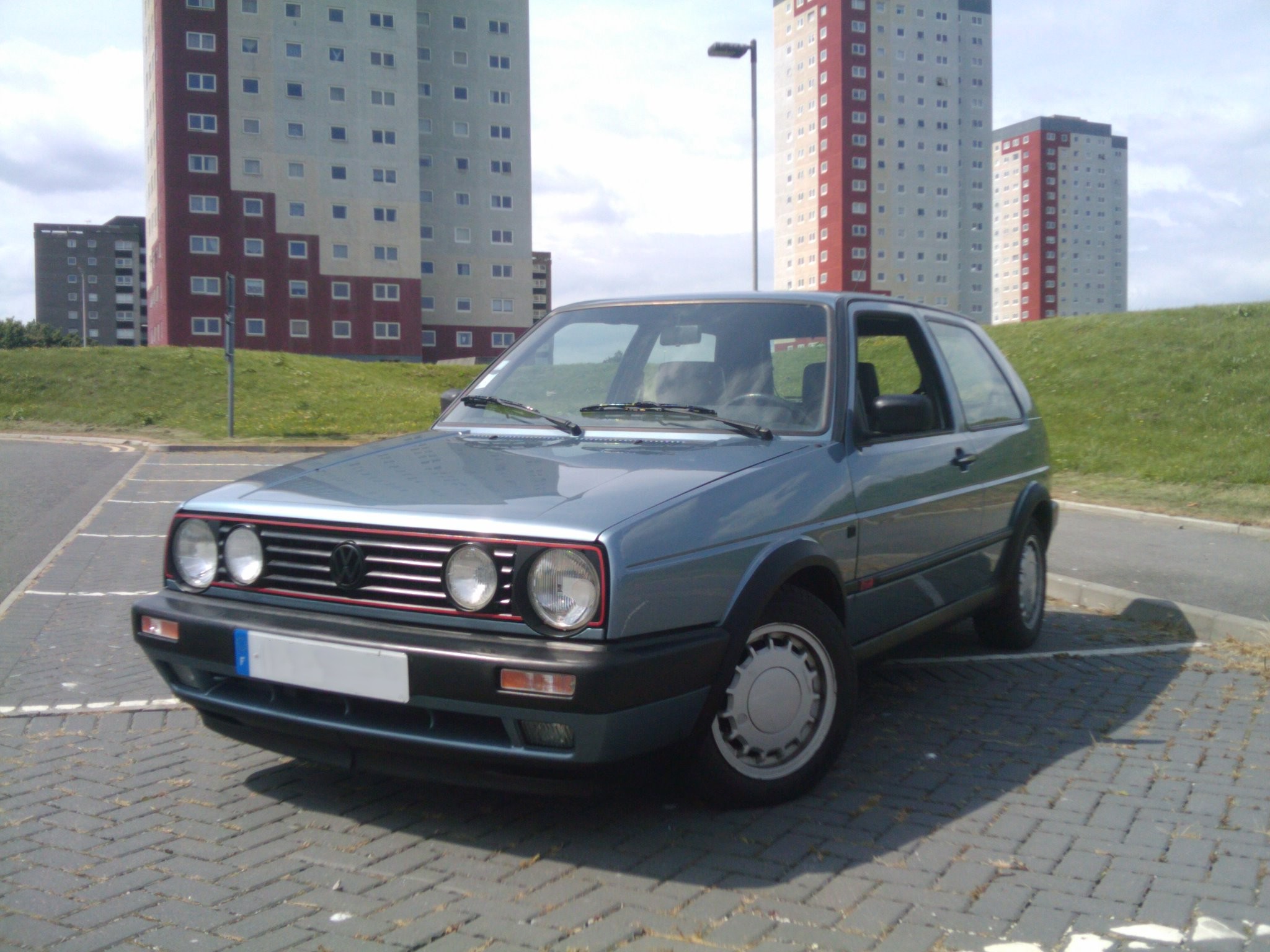
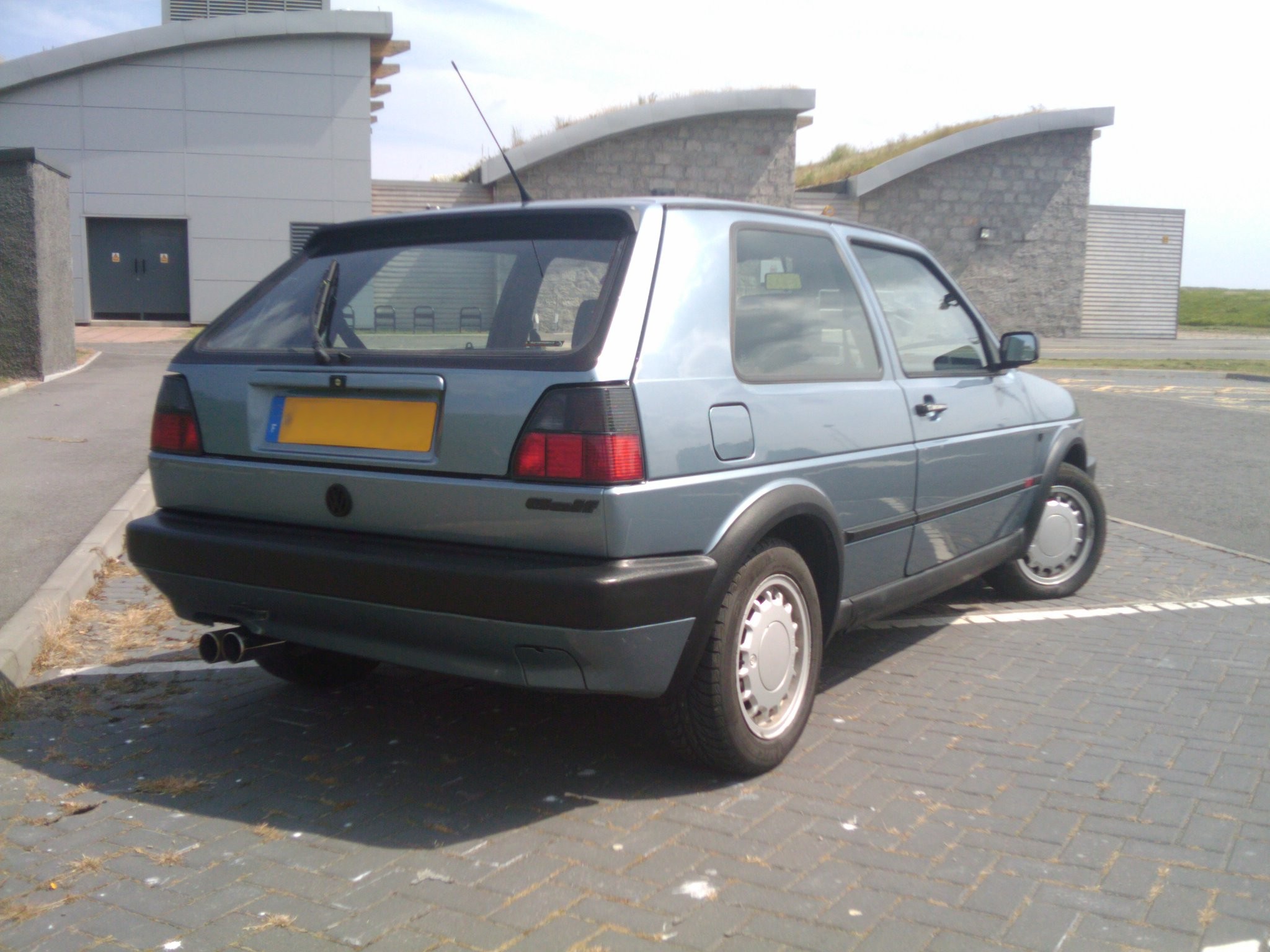
The Old-School review, the Mk2 Volkswagen Golf GTI 8V

Regular readers will know how I lament about modern sports cars. In a way, they are too good, so to get any sort of driving feel or sensation, you have to drive way too fast, which usually ends up with the loss of your license and several years in jail.

Back in the day, you could take the ordinary family hatch-back, add a bigger engine and better running gear, and you had a great handling car. The Mk1 Golf GTI was one of those firsts. Yes, some may argue that it was not the actual first hot hatch-back, but you cannot deny that it was the most successful and launched the craze. What Volkswagen had done, back in 1976, was take their ordinary Golf, put the biggest engine they could, a 1.6 litre, added fuel injection for efficiency, reliability and 110bhp, updated the suspension and steering and presto, they made history. Even if the VW board was not convinced at first, their engineers persevered, and the car was an immediate hit.

In 1984, however, with the new bigger Mk2 Golf out, it was time to update the classic. The producers of Die Hard 2, Matrix Reloaded and Iron Man 2 know how hard this can be. If they changed the original too much, the purists would whine and gnash their teeth.
So VW took the safe road and did not change much. On the updated Golf, they put the old GTI’s engine (it was now the controversial 1.8 litre, still with 110bhp) and put in the same gearbox and running gear from the old one. The big welcome change though was the braking system, with four disks all around.

So, more weight, but same power. Sounds like the Civic Type-R dilemma. Was it actually worse?

In a way yes, as the Mk2 did not offer any real performance improvements on the old one. However, because the Mk2 Golf was a big improvement on the original, the GTI was a better car to live with. There was now more compromise, the trend to bigger and heavier hot hatch-backs was starting.

The first compromise was the style. That beautiful taut body designed by Giugiaro had to grow in order to accommodate the bigger interior. It was now more rounded, even if the general lines were kept. The trend of incremental improvement had begun here, but personally I liked it. (even if I think the original looks better). The subtle styling details were kept to differentiate a GTI from the run of the mill Golf. The front fascia had that red contour, the sides had that subtle black body kit, and the rear featured a petite spoiler, combined with twin exhausts.

The engine was a big change from the original 1.6 litre. The new 1.8 litre unit was less fun at high revs, but it offered much more torque. As a daily car, it was perfect. Yes, it felt less sporty, since there was no point taking it to the edge (past 5,000 rpm it actually runs out of breath), but on the day to day trip, it was great. Put your foot down anywhere above 1,500 rpm and it would just go. It was so good in the torque end, that it actually bested the beastly Mk2 GTI G60, and that car offered 160bhp with a compressor! Dare I say it, you drove the 8V like a diesel…. However, it did not sound anything like a diesel thankfully. Turn the key and the car wakes up and greets you with a nice growl. At low speeds it knew how to be civilised, but push down on the gas pedal and it would scare the nearest passer-by. In that way, it was just like the original!

On the road, the Mk2 GTI felt more secure than the original. Turn the wheel and the car would follow with no drama. Push it to the limit, and you would get some under-steer, but not much. You could still lift the back end wheel in corners, which is always fun, but the car felt less responsive, partly due to the extra weight and suspension setting. However, to come back to the first point of this review, even at relatively low speeds, you could have fun in it, you were not detached from the act of driving. Yes, it was not as good as the original, but the Mk2 still offered a good feel when driving, because everything was still connected to the driver, there was no electronic safety net.
When travelling long distances, though, the Mk2 was much better than the Mk1. The new body had a better drag coefficient, and combined with the fuel injected engine this made the fuel consumption really good! On long trips it was also quieter and more refined. You could even call it comfortable. The Mk2 was the perfect GT car back in the day. (I used mine as a cross-country tourer in fact).
As a car you would use every day, it was then much better than the original. It felt mature and efficient. More German in a way. I loved mine for that, and frequently drove for hours straight without the slightest hassle.
Braking was not that efficient on the other hand. Yes, it was an improvement on the original, with disks all around, however it still was a case of brake and pray you stop in time. Thankfully there is no ABS, so it is up to you to measure the pedal input. Golfs have never been a great performer in this area, along with the front headlights.

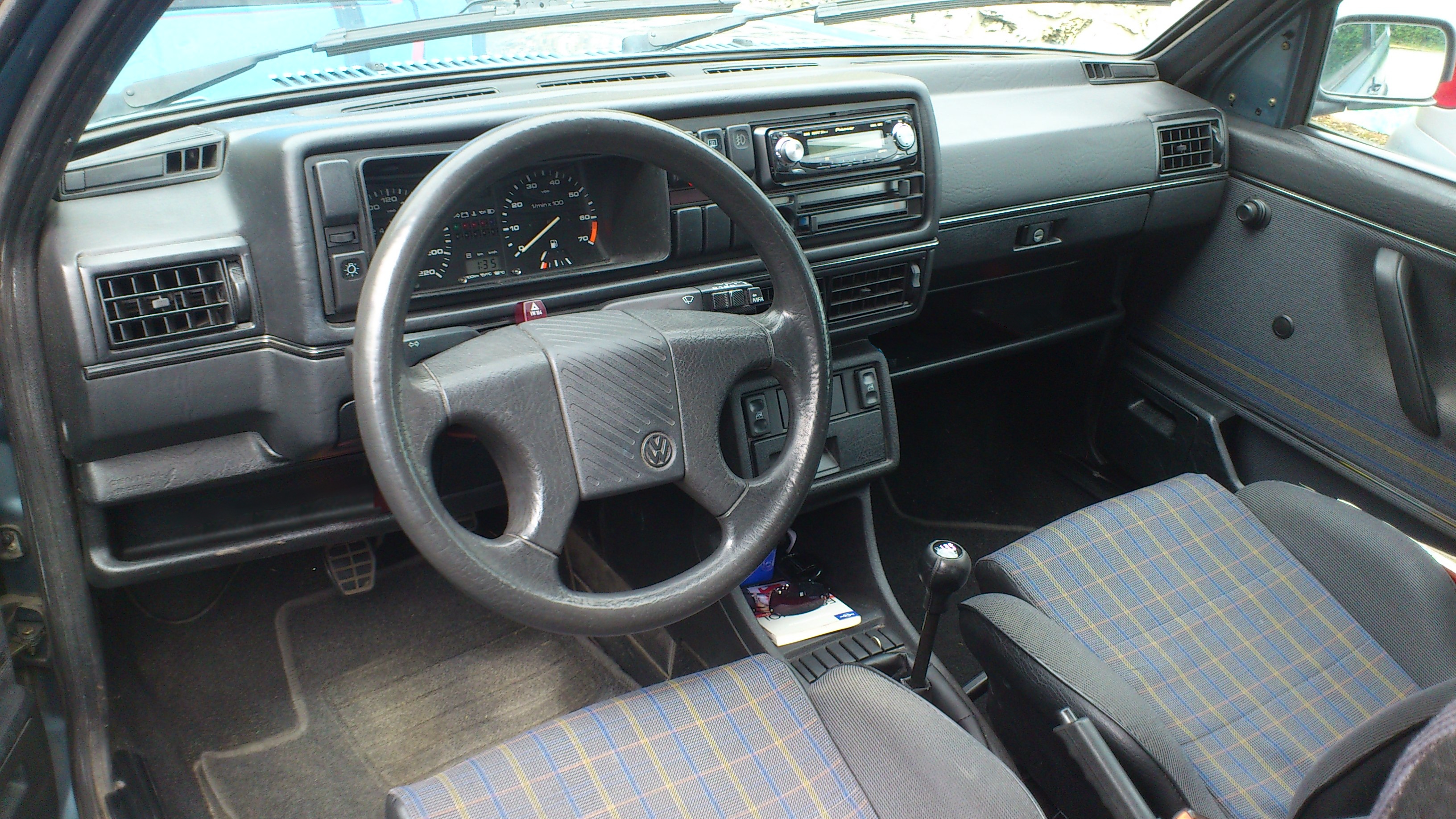
Inside, you had all the creature comforts you could need, such as electric windows (that worked most of the time), power steering, a huge boot and space for five passengers. The front seats offered good bolstering and where firm enough. You could easily drive hours on end and not feel tired or in pain. The traditional chequered fabric was present, to add a touch of colour in an otherwise grey interior. It was an old VW after all, not very exciting, but everything worked and was superbly put together. My car had 170,000 miles on it, and there was not a single sound coming from the fixtures or fittings.

Overall, as a car to use every day, the Mk2 Golf GTI was miles better than the original. As a sports car that offers you pleasure and fun when driving, not really. The problem was the Mk2 had to compromise on a lot of things, in order to offer comfort and performance (exactly like cars today). In this case here, power was needed for a more fun car, and luckily VW answered that call with the 16V a year later. Now the Mk2 was becoming a real sports car worthy of the original! Even the brakes improved!

Posted in Car reviews | Tagged , , , , , , , | 3 Comments

The Edonis, the forgotten sports car?

When we all grew up, we always had our poster supercar. If you grew up in the 70s, it was a Miura, in the 80s, it was an F40, in the 90s, probably a Mclaren F1.
I grew up in the 90s, early 2000s. I remember not really being a huge fan of the Mclaren, simply because it was just too good. Weirdly, I was more a Ferrari F50 man.

But, during the 90s, there was also a significant supercar we all remember: The Bugatti EB110. It was the Veyron of its time (get the joke?). The first production car with a carbon fibre chassis (this was a time when manufacturers were still working out how to paint carbon fibre bodies!), incredible power from a 3.5 litre V12 with 4 turbos, and the fastest production car ever, until the Mclaren came out 2 years later though. It was so advanced they even considered putting on carbon ceramic brakes. In the end, they didn’t, because at that time, ceramic brakes would have cost the price of the car. That just shows you how advanced the EB110 was! However, due to a financial crisis, the rival Mclaren, and the fact that it was not exciting enough, the Bugatti never sold in numbers, with under 120 being produced.

However, that was not the car that fascinated me from 1999 to this day. In 1999, I remember reading a magazine where the rendering of a back quarter panel was shown. That rendering looked out of this world, I was intrigued. There was an air of mystery about it; words like revival, supercar, exclusive, 1000hp were thrown about. It was not the Veyron, but something much better, yet completely forgotten today.

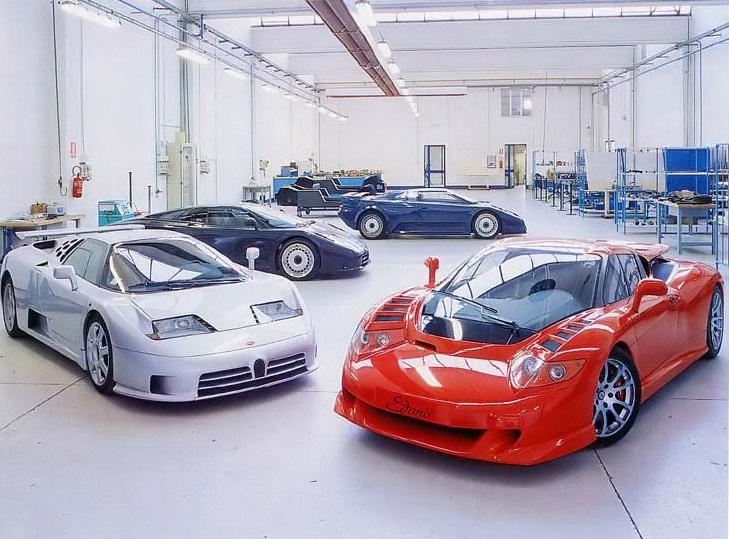
Revealed on the 1rst January 2001, the Edonis (from the Greek Hedoné, meaning pleasure) was built by B-Engineering in Modena, Italy. The man heading the company was Jean-Marc Borel, a Frenchman. Now, you may have never heard of B-Engineering, but they were the group that worked on the Bugatti EB110 in the later years of its production. When the brand closed down, B-Engineering was formed, and they planned to do something special with all the knowledge they had gained from working on the EB110. They used some of the spare parts they had left, but a lot was custom made for their car.

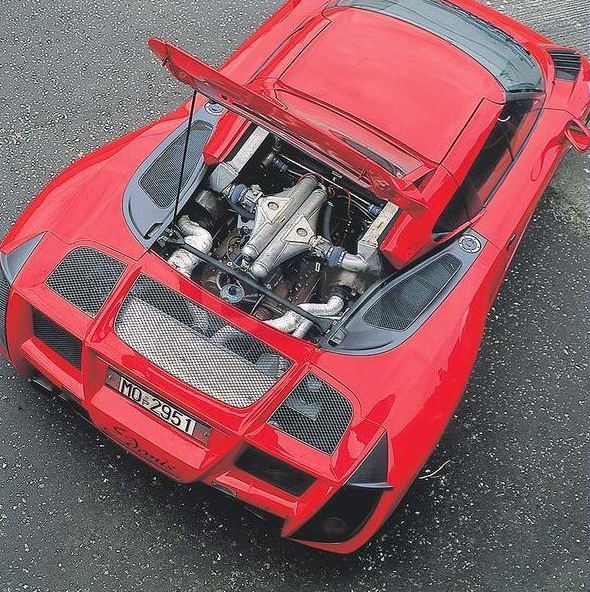
The result was the Edonis. The chassis was based on the EB110 Supersport unit but considerably improved. It was a carbon-fibre monocoque, something still very rare nowadays. By the way, that chassis was built by Aérospatiale, the company that makes the Ariane rocket ship! To power the car, they upgraded the EB110’s 3.5 litre V12, upping it to a 3.8, and putting two large turbos on it, instead of the 4 smaller ones. Gone also was the 4 wheel drive system, making for a 1.4 ton, 680bhp, rear-wheel drive shot of pure fun. All this power was managed through a proper six speed manual gearbox. For once, the name made perfect sense. It also made for a very fast car, with over 360 km/h being recorded at Nardo at one time. For added lightness, the body panels were hand beaten aluminium parts. With a figure of 523bhp per ton, it surpassed the new Bugatti Veyron by far.
The car was so advanced; it used the new PAX Michelin tyres that were being developed for the Bugatti Veyron, a car that was going to come out 4 years later. All in all, it was a pure driving experience. The only electronic assistance was the ABS system. Driving it was an occasion, and the only problem reviewers at the time could find was the heavy steering.

Working on the car were some of the greatest names in the industry. The project was co-designed and overseen by Nicola Materazzi, the man behind the Ferraris F40 and 280 GTO and the Lancia Stratos. The other designer was Marc Deschamps, an old Bertone employee. Heading the project were Jean-Marc Borel and Frederico Trombi, both ex Bugatti heads, with the help from ex-Bugatti engineers, who were picked from Lamborghini and Ferrari at the time, back in the day. Only 22 people worked on the project.

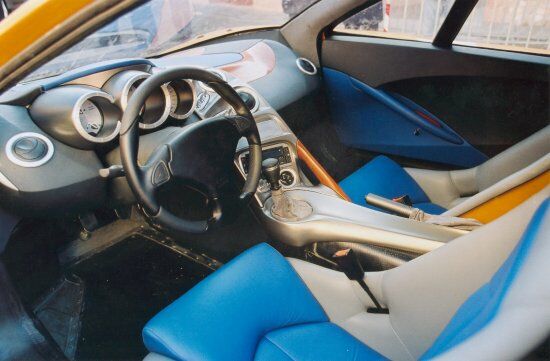
On the face of it, the Edonis was to become the car the EB110 should have been, a pure performance car, focused on the fun of driving. It had the pedigree, it had the talent, it also had the looks. I thought it looked amazing and it was on my bedroom wall for quite some time.
It was also extremely desirable, with only 21 being built and a price tag of €700,000. The production run of 21 was chosen to match the number of centuries we have lived. Each car was alleged to be individually named after the most famous inventor or artist of a specific century. Moreover, being revealed at midnight on the 1rst January 2001, it is also the very first car of the XXIst Century. The first production model was said to be produced in April 2001.

The automotive press at the time were very enthusiastic on the subject, like this review from EVO. Since 2002 though, details are scarce. Their website does not exist anymore (sadly, you can even buy the domain name). Some sources state that production stopped in 2002 after only 2 cars being built, but was then restarted in 2006, with a new production facility in Turkey. I am not too sure about the Turkey part, as it was mostly based on a sighting of a red car, which some say belongs to a Kuwaiti businessman.

I will keep on looking to see if I can find anymore information of what the cars have become, it is after all my childhood dream car. In some ways it is a great mystery, searching online only gives you the same two cars, the prototype, in a golden colour, and the production car, in red. The only solution I can see is just going to Modena and seeing if B-Engineering still exist. Some say they do, others claim they are gone.
Just like the Bugatti Royale back in the day, that air of mystery surrounding the car makes it even more appealing.

One thing is for sure though, the Edonis is truly amazing, and it still lives on, in spirit, in the Pagani cars.

Posted in Car reviews | Tagged , , , , , , , , , , | Leave a comment

Is technology and the government actually taking over?

A few weeks ago, I moaned about how technology and automatic gearboxes were making cars worse. Turns out that is only half the picture. Things may actually be taking a turn for the worse.

You see, for example, Volvo just perfected their “road train” technology, where your car simply follows the car in front of you, meaning only one driver in five or more cars is actually doing the driving. They claim it is “to take the strain out of the daily commute”; I say it is a step towards a world with no freedom.

The Volvo system itself would be ready for production by 2014. However, the technology for self-driving cars is actually here. In California, it is now even legal on the road, so Google have been trying out their fleet of autonomous Priuses (or Prii??). That is right, the Prius is so smart, it does not even need a driver. And they claim the technology could be rolled out in the next 5-10 years. Very scary indeed.

Thinking about it, most of the technology is actually here and used a lot today. Look at the Ford Focus and its Park-Assist function. The car can actually park itself for you. The new Honda Accord will brake for you. Officially, this makes the cars safer, because computers are more efficient than humans.

But that is completely missing the point! Computers do more and more of the driving, so humans are less and less concentrated on the task of driving. The result? They crash more. Just look at the whole Toyota pedal problem back in 2010. The cars supposedly accelerated on their own and crashed a lot. The problem was not really a fault with the car, but the drivers in most cases simply had no clue what they were doing. We are getting used to the car doing everything for us, so we are becoming worse drivers.

And this is where the government steps in. In the USA, the National Transportation Safety Board just announced their wish to have more and more technology in cars, in order for them to become more autonomous. They argue this would reduce driver error, and result in fewer deaths. As with all government advice, it is just plain-sighted and quite wrong. Why can they not see the whole picture????
Just take a step back and look at it:
-More technology means drivers have less to do in cars
-If they have less to do, they pay less attention, and become worse drivers
-They then become used to this, because more and more cars have the technology
-So if there is the slightest change, or program malfunction, they crash.
What government boards propose is simply to add more technology, so the driver is no longer needed.

The result would be like I, Robot or Minority Report, people just get in the cars and trust them to take them to their destination. What ever happened to freedom?

When I take my car, if I want to go the long way to a place, I just take it. If I want to discover a new place, I can just do it. I want to go left here, nothing can stop me. This is how you meet new people and discover new places, by making impromptu decisions. If your route is predetermined and you have nothing to do, what happens? You just check your Facebook status online. That is how we get to that dystopia pictured in Wall-E.

This advert by Toyota UK pictures it perfectly.

We can no longer do what we want, we are becoming part of a pre-programmed system. There is no joy, no freedom, all is black and white. We all think 1984 and Metropolis are scary, yet we are heading straight for it and are simply accepting it!
Why is there no resistance to this?
I can tell you why, we are getting more and more used to convenience. If a car company says you will not need to drive in your morning traffic-jam, you will like it. These mundane tasks such as driving are being taken for granted, just like our freedom.

I am seriously considering creating a movement to counter this. We like to mock the people who say things were better in the good old days. The way we are going, they will actually be right.

Just look at the future: You wake up, get in your travel-capsule, chat with friends via Twitter and Facebook (that’s the ‘social’ side of your day), get to work, work, go home via the same travel capsule, eat, then sleep. A few years down the line, you die.
Sounds scary, but it is becoming a reality. In this world where you cannot even choose how you want to watch your favourite movie (without having legal threats and pressure groups after you), driving is one of the few liberties we still have.

And there is no way anyone can take it from me.

PS: Ironic thing in all this is that wonderful Toyota advert was taken down by the UK government, as two people out of 62 million complained it promoted reckless driving. I think they were just scared at the accurate portrayal of reality…. So if you can not see it, let me know, I’ll update the link.

Posted in Philosophy of driving | Tagged , , , , , , , , , | 2 Comments

The Car World is changing

Here’s an interesting fact that everyone already knows: The automotive industry is changing.
Cars are becoming lighter, engines are becoming smaller and technology is taking over. However, there is another point that people tend (usually on purpose) to forget. The money is no longer where it was.

What happened in the last week is that apparently, Dar Investments, the Kuwaiti investment firm, is looking to offload one of its assets. Nothing new there, right? Only problem is, that asset is Aston Martin. Now, this is all speculation still, it is not carved out in stone yet. The really interesting information for me though, was who the potential candidates for taking over the English brand were.

The first one is Toyota. They even recently did an audit of Aston Martin, in order to see if it would be financially viable to take on the English manufacturer. I mean, let’s face it, Toyota is on a roll, making exciting cars, and one way to continue in that direction would be to take over a sports-car brand.

The second one though, is less obvious. It is an Indian firm, called Mahindra. People in the USA know them for their tractors. Mahindra do make cars, mostly rugged off-roaders and SUVs, and they also make the now rebadged Dacia Logan, and recently, they took on Reva, makers of the low-cost electric car. Seems like they are on a diversification spree, and Aston Martin would be a good addition to their portfolio. Already, the Aston Martin purists are crying foul, but they should think for a second.

This is not a new phenomenon. Remember a few years ago, when Jaguar and Land Rover were for sale? Ford was getting rid of the brands as they could not make them profitable. Who took them on? A fairly unknown brand called Tata. Oh how the European and American ‘enthusiasts’ cried! How could an unknown company from a developing country take on such a pair of established brands?
Fast forward a few years and guess what? Jaguar just announced a 10% rise in sales in the month of October 2012. Its range is all new, and for once, all their cars look amazing. No rebadged Ford Mondeos here anymore. Land Rover is on a roll too, the Evoque is selling like hot cross buns around the world and they just announced expanding by another 10 models by 2016. People were scared Tata would take them down, but in reality, they are doing better than they ever have!

So in my mind, Aston Martin should be sold to Mahindra. (the only issue at the moment, is that Dar want over $800 million for Aston, but Mahindra is offering less) Aston Martin was also sold by Ford as they could not make the brand profitable. Maybe the Americans do not know what it takes to make a British luxury car. The Indians though know more how the British work compared to the Americans, and they also know a thing or two about luxury.

The biggest irony in this is, these symbols of British craftsmanship and pride may now become Indian assets. Only 50 years ago, it was Britain who ruled India!

And that is why the automotive industry is profoundly changing. Before, the rich companies that owned everything were in USA or Europe. However, with all the crises, ownership is changing hands, and who is saving them? The Indian, the Chinese and other Asian companies. Companies who apparently are new to all this car business (not really true, but that is the way people see it…). Look at Volvo for example, if it was not for Geely (a Chinese brand), they would have disappeared. When Peugeot goes under, I will not be surprised to see them go into Indian or Chinese hands.

(Thinking about it, not really the first time India saved British luxury car brands. Without the Maharajahs in the 1920s, Rolls-Royce would have disappeared during the great Depression…)

Posted in Auto Industry | Tagged , , , , , , , , , , , , | Leave a comment